
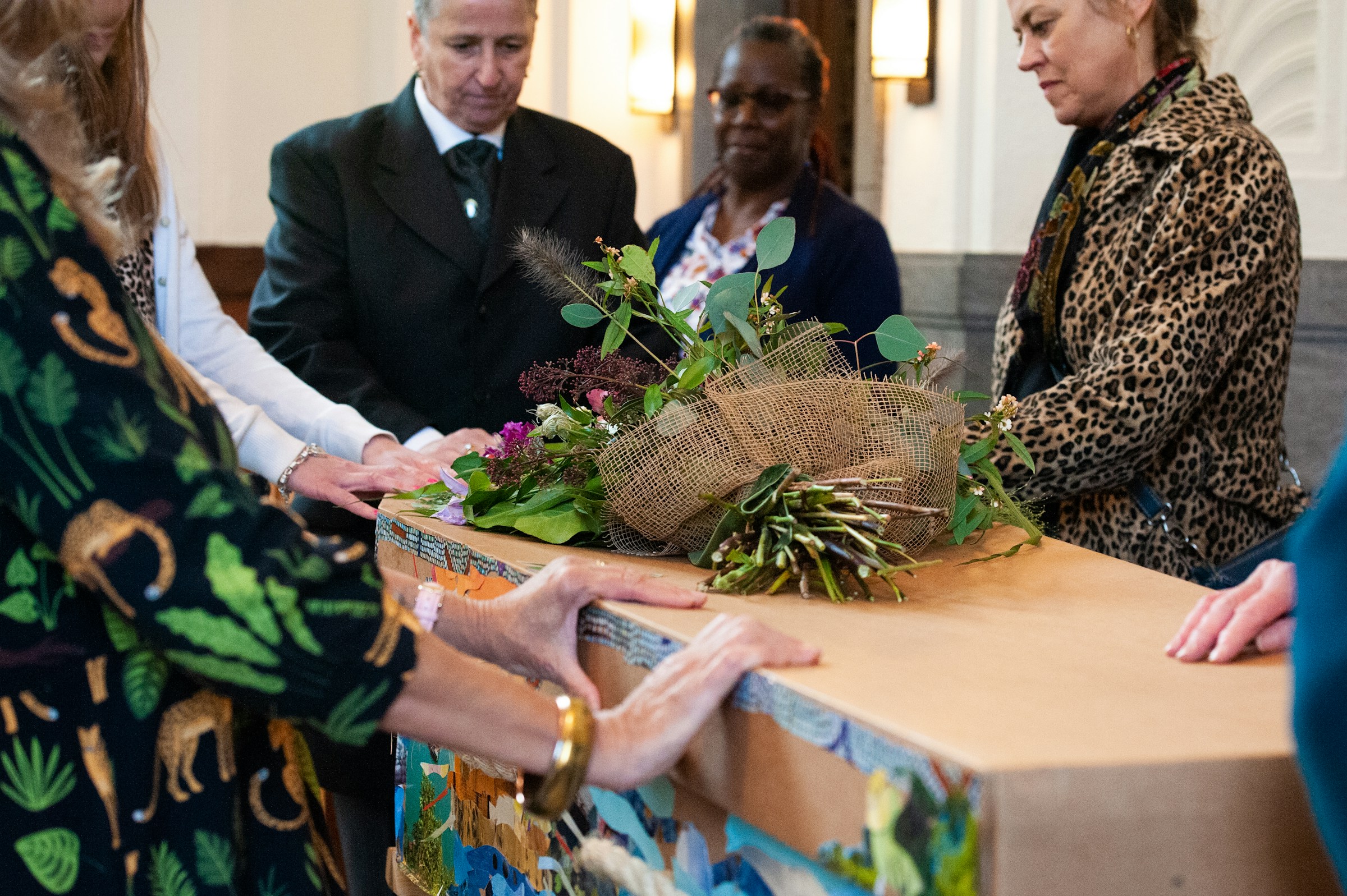
The Importance of Saying Goodbye
Why Funerals Matter is something I often think about. Having spent more than 14 years working as a Funeral Celebrant I have seen funerals from many different perspectives. I have seen the comfort they can bring, but I have also seen what can happen when someone dies and there is no opportunity for those left behind to say goodbye.
A funeral is not going to take away grief. It cannot make the pain disappear, and it certainly doesn’t mean you suddenly stop missing the person who has died. What a funeral can do is give grief somewhere to go. It gives people time to stop, acknowledge what has happened and begin to understand that life has changed.
Funerals give us the opportunity to say goodbye
When someone dies, there can be an overwhelming amount to deal with. There are practical decisions to make, people to contact and arrangements to put in place, often while you are trying to come to terms with something that does not yet feel real.
The funeral creates a pause in all of that.
It brings people together in one place, at one time, to acknowledge the person who has died. There may be tears, laughter, silence, music, stories, photographs or moments that nobody expected to be particularly emotional. All those things have a place.
Why funerals matter is not really about the coffin, the flowers or the venue. It is about people.
It is about the family who have lost someone they love. It is about friends, colleagues, neighbours and everyone else whose life was touched by that person. It is about having the opportunity to be together and say, in whatever way feels right, you mattered, and we are going to miss you.
Do unattended funerals help with grief?
Direct cremation and unattended funerals can be the right choice for some people, and there is absolutely no judgement attached to that decision.
But it is important to recognise that the person arranging the funeral is not always the only person affected by that decision.
There are times when families have initially felt that an unattended funeral was the easiest option. They thought they could not face a funeral. They believed they were protecting other family members from further upset. There were possibly financial, practical or personal reasons behind the decision.
And then the cremation takes place, and life is expected to carry on.
For some people, that can leave a sense that something is missing.
There has been no gathering of family and friends. No music chosen because it reminds everyone of them. No shared stories. No moment when someone stands up and speaks their name. No opportunity to look around a room and realise that other people are grieving too.
People struggle with that absence.
A funeral does not have to be traditional
There is no single “right” way to have a funeral.
A funeral can be traditional, simple, unconventional, religious, non-religious, outdoors, indoors or somewhere that holds a special meaning. It can be quiet and intimate or filled with people. It can contain lots of words or very few.
What matters is that it feels appropriate for the person who has died and the people who are left behind.
Sometimes the smallest details become the most important parts of a funeral. A song, a photograph, a story that makes everyone laugh at exactly the moment they thought they couldn’t, or a reference to something only the family would understand.
These are the things that turn a funeral into a farewell. And that is another reason why funerals matter.
Funerals help to make sense of loss
Grief is complicated. It is not a straight line and there is no timetable that tells us when we should be feeling better.
Grief can affect people in ways they may not expect. Someone can feel completely overwhelmed one day and almost normal the next. They can laugh and then feel guilty for laughing. They can feel relieved and then feel guilty about feeling relieved.
A funeral cannot resolve those feelings, but it can provide an important starting point.
It can help make the death feel real.
That may sound like a strange thing to say, particularly when someone is already hurting. But when a person dies, part of us can remain in a state of disbelief. The funeral gives time to acknowledge the reality of the loss and to begin moving forward with grief rather than trying to avoid it.
Moving forward does not mean moving on.
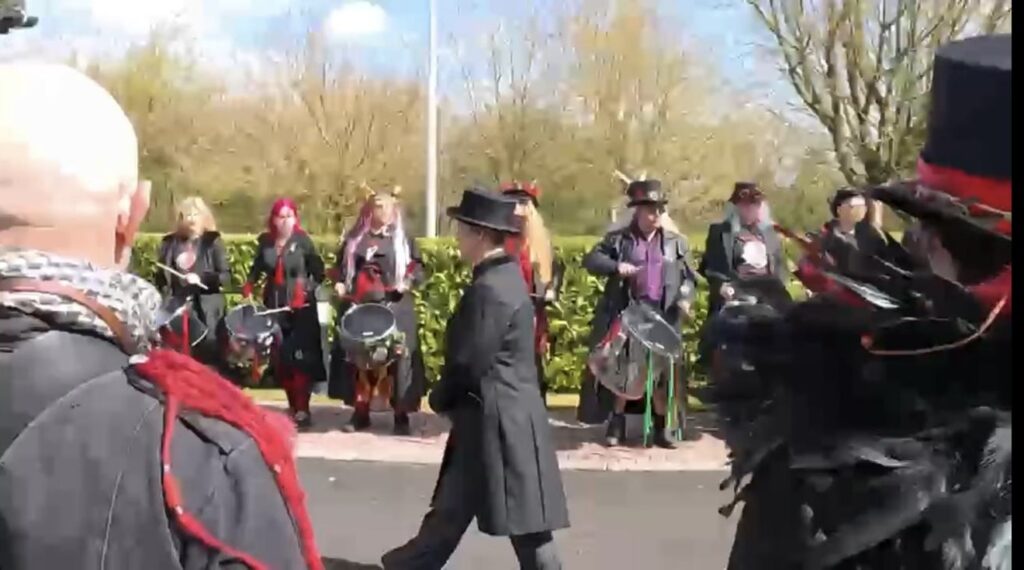
Saying goodbye is important
People may say, “I don’t need a funeral. I can say goodbye in my own way.”
Sometimes they can, and sometimes that is absolutely the right decision.
But I would encourage anyone making that choice to think about the wider family and friendship group too.
Ask yourself: Will everyone who loved this person have the same opportunity to say goodbye?
The person arranging the funeral may feel that they do not need a ceremony, but a brother, sister, child or grandchild may feel very differently.
There is also something powerful about doing something together. Grief can be isolating, and a funeral reminds us that we do not have to carry it on our own.
Why funerals matter long after the day itself
The funeral itself may last 30 or 45 minutes, but its importance doesn’t end when everyone leaves.
People remember the words, the music. They remember who was there. They remember the funny story that made everyone laugh through their tears.
Most importantly, they remember the person.
A funeral can become a marker in time. There was a time before the funeral, when everything still felt unreal, and then there was the moment when everyone came together.
That doesn’t mean grief becomes easier immediately afterwards. In fact, for some people, the days and weeks following a funeral can be particularly difficult. The messages stop, the visitors go home and ordinary life begins again while the person who has died is still very much on your mind.
That is why bereavement support matters too.
Funerals are also about the living
While a funeral is for the person who has died, it is also for everyone who has been left behind.
It gives them permission to stop for a moment. To cry, to laugh, to remember. To be surrounded by people who understand why this person mattered.
That, ultimately, is why funerals matter.
They don’t fix grief. They don’t provide immediate closure. But they can give something incredibly important: the chance to acknowledge a life, share loss with others and say goodbye in a way that feels meaningful.
And sometimes, when everything else feels completely out of our control, having that opportunity matters more than we realise. Why funerals matter is because people are important.